Frequently Asked Questions About Organic Waste
Collect food scraps using a kitchen caddy or any bucket in your kitchen. Line your collection containers with a paper or other compostable bag to help keep your container clean.
Empty your bagged organics into your cart with the green lid.
Set out your green lid organics cart on the curb on your trash collection day.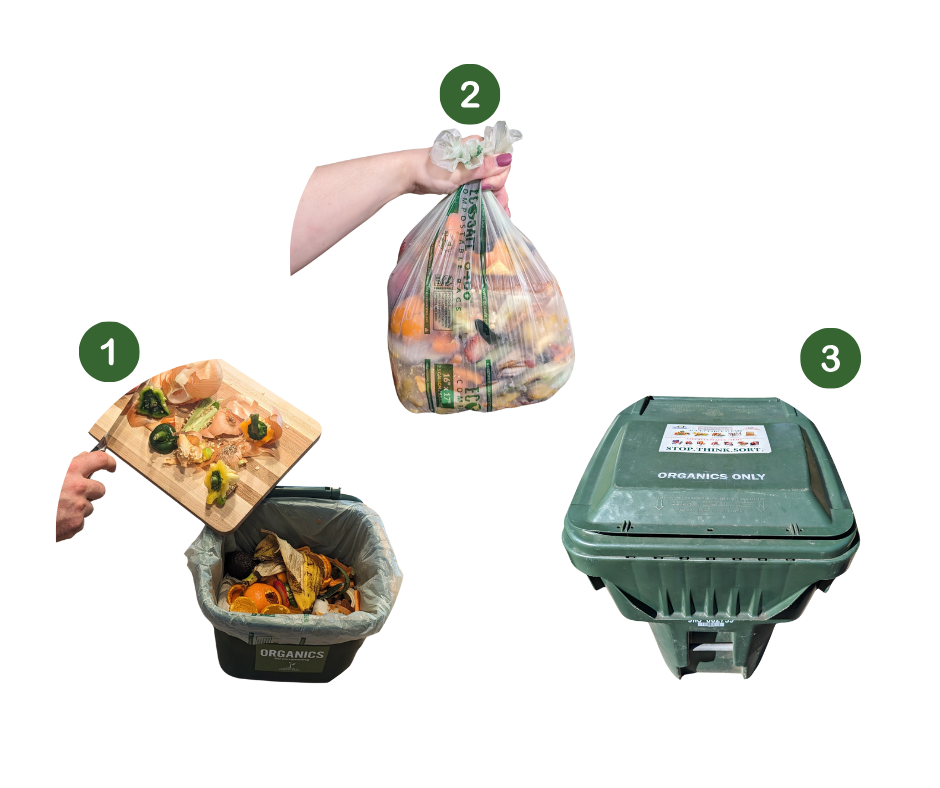
Diverting organic waste from the landfill to composting saves you and the City money.
The city can generate revenue by selling compost to retailers in and out of the state.
Applying compost to playgrounds and community parks helps to beautify them and keep them healthy.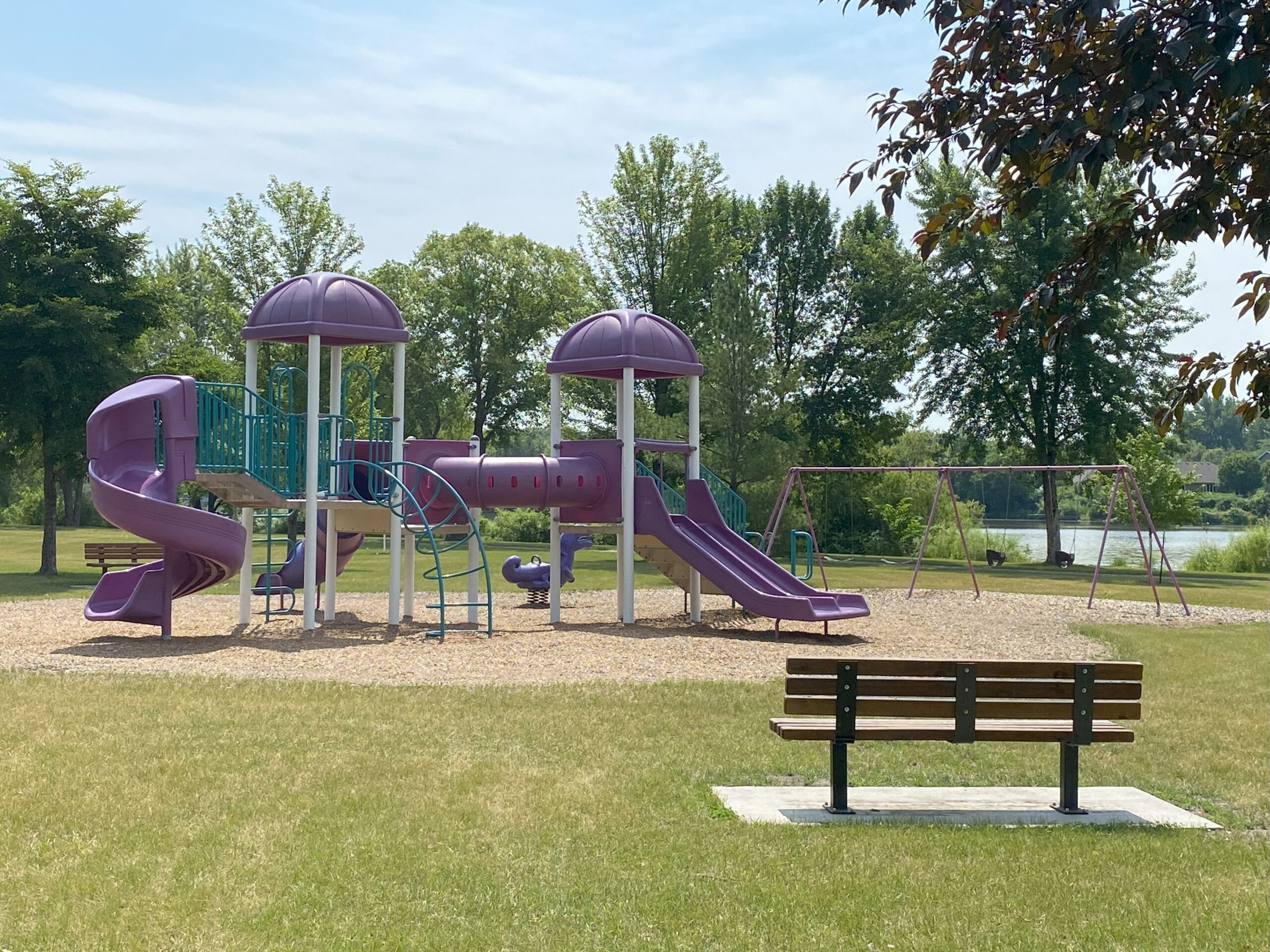
Food (fruits, vegetables, dairy products, meat, fish, bones, bread, rice, pasta, nuts, shells)
Coffee filters and grounds
Greasy pizza boxes (not shiny)
Napkins and paper towels
Yard and garden waste
Just a little bit of plastic or glass goes a long way and can contaminate a batch of compost. The means that the compost cannot be sold or used. The city and tax payers lose money when compost is contaminated.
To minimize odors and rodents, remember to line your household container with a paper or compostable bag to absorb liquid from food waste. Empty your container frequently and rinse it out occasionally. Keep the lid to your cart closed.
Recycling organic waste into compost is more cost-effective than using a garbage disposal. Hutchinson’s waste water treatment facility requires energy and resources to process out solids, including food waste. Food waste can also overload septic systems and cause problems.
Paper or compostable bags should be used to collect food scraps. Compostable bags are different than regular garbage bags or plastic handle department store bags! Compostable and paper bags break down quickly during the composting process. Compostable bags are available for free at bag pick up events held 3-4 times a year. Pay attention to your utility bill to learn of upcoming pick-up event dates and locations. Compostable bags are also readily available for purchase at many local retailers, and online.
Residential organic material that is placed in the 90-gallon curbside organic carts is composted into a nutrient-rich soil amendment used for roadside constructions projects, landscaping, gardens, and container gardening. Some of this product is used right here in Hutchinson to beautify our playgrounds and community parks!
No. These materials are not considered organic. Any untreated, unpainted or unvarnished wood product should be re-purposed or thrown in the trash. Cement and asphalt products (bricks, landscape rock, etc.) are accepted at no charge at the CreekSide Facility, please do NOT put these items in your organics cart.
No. Anything more than an inch diameter should be brought to Creekside’s facility at no charge for processing.
Clean paper products such as unwanted mail, glossy and matte office paper and cardboard can be recycled into new paper products. Put clean products into the recycling cart. Food-soiled paper cannot be recycled. Place food-soiled paper, such as paper plates, cups, napkins, tissues, and paper towels into your green lid organics cart.